Technical Details
| WLL (lb) |
Sheave Diameter (in) |
Rope Diameter (in) |
Approx N.W. (kg/pc) |
| 1000 |
8 |
7/8 |
4.5 |
| 1000 |
10 |
1 |
5.6 |
| 1000 |
12 |
1 |
7.2 |
| 1000 |
14 |
1 |
10 |
Functions:
Mechanical Advantage:
- Reducing Effort: By redirecting the line of pull, a gin wheel block can significantly reduce the amount of force required to lift or pull a load.
- Increasing Lifting Capacity: With multiple sheave configurations, a gin wheel block can multiply the lifting capacity of a system.
Changing Direction of Pull:
- Flexibility in Operations: The sheave allows for redirecting the line of pull, enabling lifting and pulling in different directions.
- Overcoming Obstacles: This function is particularly useful when obstacles or obstructions prevent direct pulling.
Smoother Operation:
- Reduced Friction: The sheave’s smooth surface and bearing design minimize friction, resulting in smoother and more efficient operation.
Key Features:
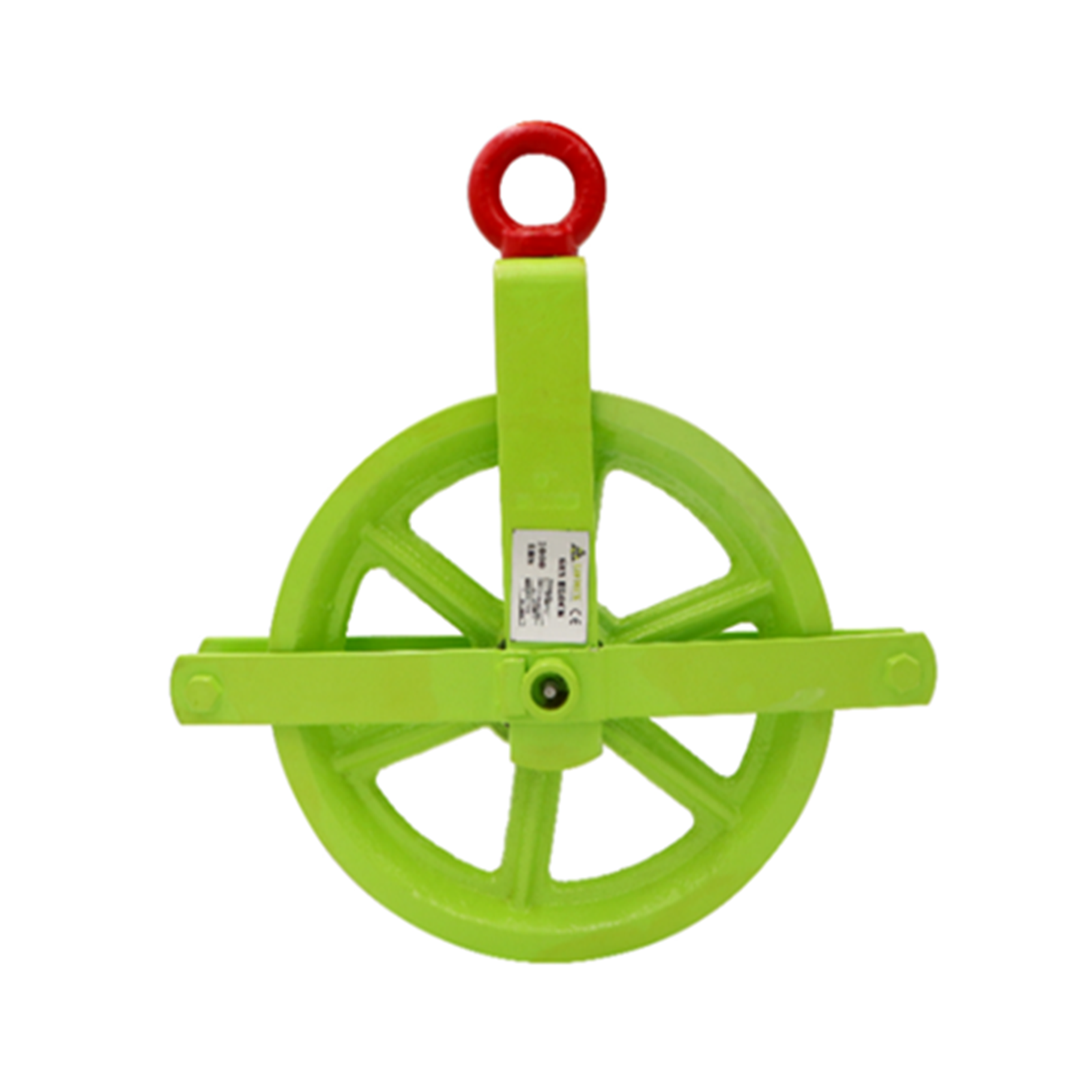
- Sheave: The grooved wheel redirects the rope or cable, reducing friction and increasing efficiency.
- Frame: The housing for the sheave, providing a sturdy structure.
- Eyelet: For attaching the gin wheel block to a fixed point or another piece of rigging equipment.
- Material: Typically made from high-strength steel.
- Working Load Limit (WLL): The maximum safe load the gin wheel block can handle.
Common Applications:
- Construction: Lifting heavy materials and equipment.
- Tree care: Tensioning cables and lifting branches.
- Marine applications: Mooring boats, pulling anchors.
- Industrial settings: Various industrial tasks like material handling
| WLL (lb) |
Sheave Diameter (in) |
Rope Diameter (in) |
Approx N.W. (kg/pc) |
| 1000 |
8 |
7/8 |
4.5 |
| 1000 |
10 |
1 |
5.6 |
| 1000 |
12 |
1 |
7.2 |
| 1000 |
14 |
1 |
10 |
See It Styled On Instagram

Loading....